How to Read a Wicklow Coastal Weather Forecast Before You Head Out on the Water
in by Oisin Healy in Coastal Living
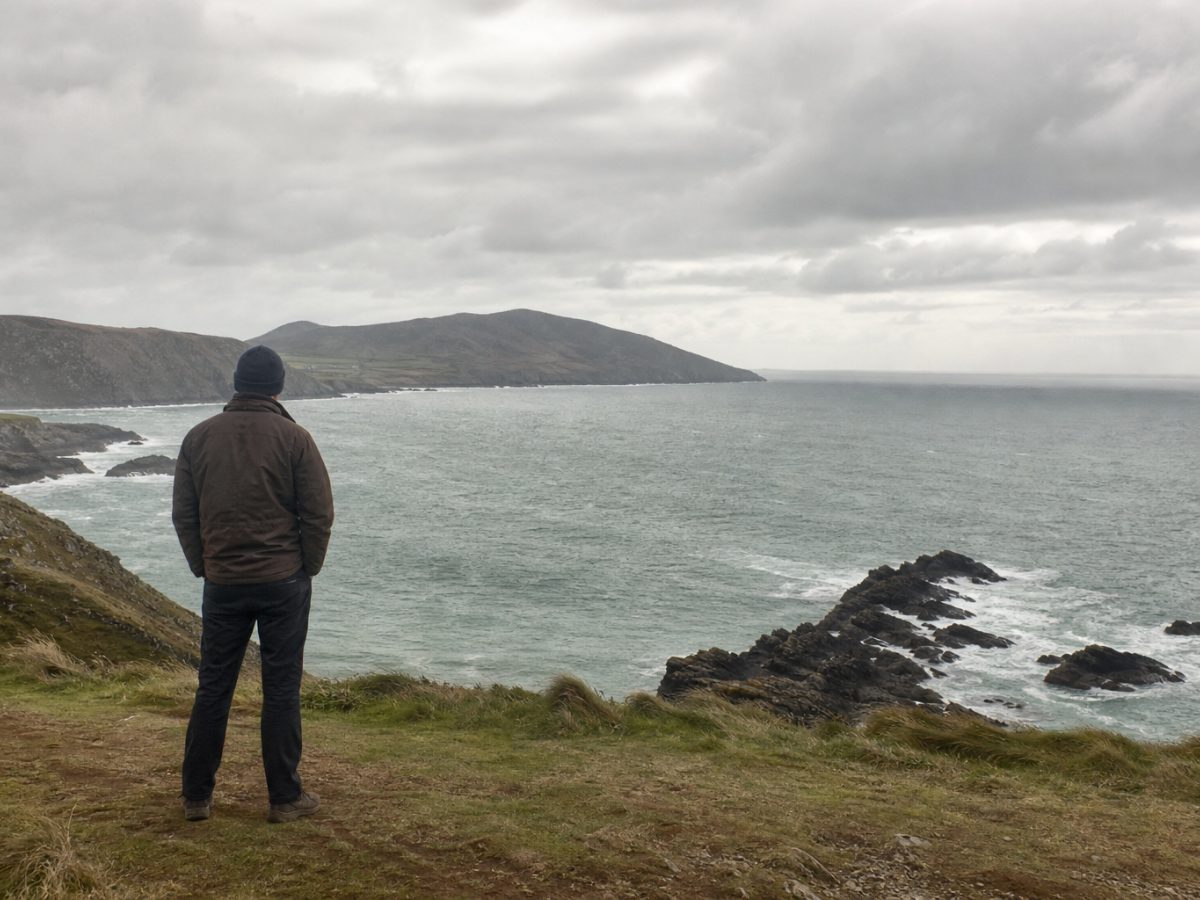
There is a particular kind of overconfidence that gets people into trouble on the Irish Sea. The morning looks fine, the wind seems light, someone checks a general weather app and decides it's grand. By the time they're a kilometre off Arklow Head the swell has built and the wind has clocked around, and the whole thing stops being enjoyable very quickly. Reading the right forecast, in the right way, makes an enormous difference. Here's how to do it properly before you launch a kayak, a rib, or a small motorboat from anywhere along this stretch of coast.
Start with the right source
General weather apps pull from the same underlying data but they simplify it heavily. What you need for coastal water is the marine forecast, and in Ireland that means going directly to Met Éireann, which publishes dedicated coastal and sea-area forecasts updated twice a day. Everything else is a shortcut that might be fine for deciding whether to hang washing out, but it's not built for someone heading offshore.
On the Met Éireann site, you want two things in particular: the Irish Coastal Waters forecast, which covers inshore zones out to roughly 12 nautical miles, and the sea-area forecast for the Irish Sea. For most people paddling or motoring near Arklow, the coastal waters section is the more relevant one. It breaks the coast into sections and gives wind, sea state, and visibility.
What the wind forecast is actually telling you
Wind speed in marine forecasts is given in knots and described using the Beaufort scale. If you're not used to it, here's a rough mental map. Force 3 is a gentle breeze, around 7 to 10 knots, perfectly manageable for most small craft. Force 4 is a moderate breeze, 11 to 16 knots, and starts to feel lively in an open kayak. Force 5 is fresh, 17 to 21 knots, and unless you're experienced and well-equipped, that's your signal to stay ashore. Force 6 is strong, 22 to 27 knots, and genuinely dangerous for small boats.
Wind direction matters as much as speed, especially here. A westerly or south-westerly blowing offshore might feel lighter than it is at the launch point because you have the land at your back. The moment you turn around to come home, you're heading into it. An easterly, while less common, pushes straight onto the shore and builds confused chop quickly in shallow water. Always think about what the wind will be doing to you on the return leg, not just the outward one.
Sea state and what those words mean
The sea-state forecast uses a scale most people haven't seen before. Terms like "slight", "moderate", "rough" and "very rough" correspond to wave height ranges. Slight means waves of around half a metre to one metre. That can still catch you off guard in a loaded sea kayak, particularly if the wave period is short and the sea is "choppy" rather than long and rolling. Moderate means roughly one to two metres. For a small open boat, that's serious. For a sit-on-top kayak, it's dangerous.
Wave height and wave period are different things, and the period is often what gets overlooked. A two-metre swell with a long, slow period of twelve or fourteen seconds is far easier to handle than a one-metre chop with a period of four seconds. Short-period chop off the Wicklow coast tends to come up fast when the wind builds against an existing swell, particularly south of Wicklow Head where the seabed shallows and the shape of the coast funnels it.
Visibility and the stuff people forget
The coastal forecast also gives visibility. Fog in June and July is not unusual along this coast. Even moderate fog, reducing visibility to under a kilometre, turns a familiar stretch of water into somewhere disorienting very quickly. If the forecast mentions mist or fog and you don't have a compass and a basic plan for navigating back to shore, consider that a reason to wait.
Check the forecast again the morning you're going, not just the evening before. Conditions on the Irish Sea change fast. A forecast valid for the following afternoon might look different at 7am than it did the night before.
If you're new to this coast, it's also worth talking to other local water users. A few minutes on the slipway talking to someone who paddles or motors out regularly will tell you things no forecast does, like where the tide race runs strong off the rocks south of town, or which wind direction makes the harbour mouth uncomfortable to re-enter. That local knowledge accumulates slowly but it's the most useful thing you can have.