Why Our Garden Fence Never Lasts More Than Four Years
in by Oisin Healy in Home and Garden
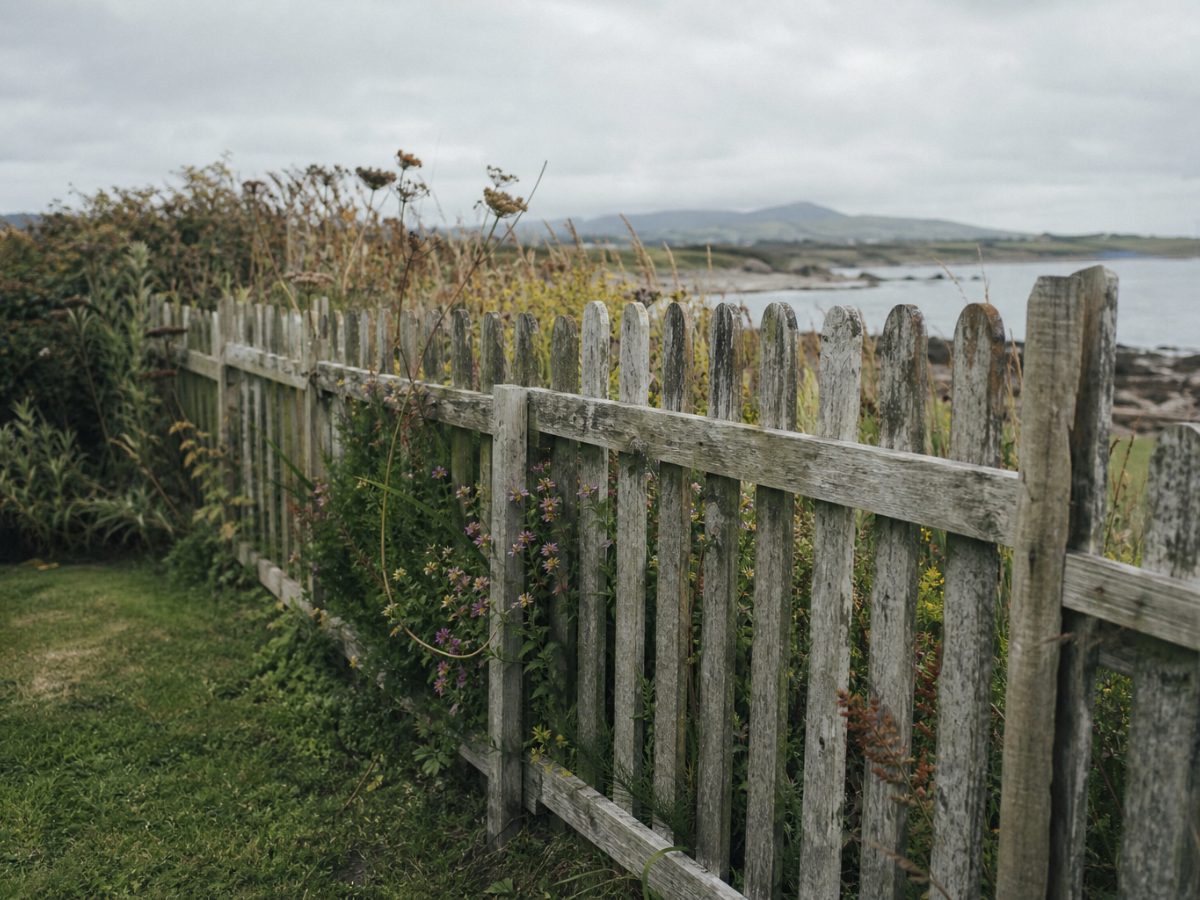
The third time I had to replace a fence panel in five years, my neighbour leaned over the wall and said, "You know that's never going to last, don't you?" He'd lived here for twenty years. I'd lived here for six. He was right, and I should have listened to him much sooner.
We moved to our place just outside Arklow thinking we knew what a garden needed. Decent soil, a bit of shelter, some raised beds. We put up a standard timber close-board fence along the back and sides, the kind you see in every garden centre, treated brown, held together with gravel boards and concrete posts. It looked fine. It looked exactly like every other fence in every suburb we'd ever lived in.
Within eighteen months the panels were warping. By year two the timber had gone grey and started to split along the grain. By year four we were replacing panels every spring. I kept buying the same thing, treating it with preservative, thinking I just needed a better brand or a thicker coat. That was the mistake, and it cost me more time and money than I like to add up.
What the coast actually does to timber
It's not just rain. Anyone moving to this part of Wicklow from inland needs to understand that the air here is genuinely different. The wind off the Irish Sea carries salt particles that settle on every surface your garden has. You can taste it on a rough day. That salt draws moisture into wood, then dries it out, then draws it in again. It breaks down the fibres over time regardless of what you've painted on top. Standard pressure-treated fence timber is designed for sheltered gardens in mild conditions. The east Wicklow coast, particularly anywhere within half a kilometre or so of the shore, is not that.
The preservative treatments you buy in a tin do help, and I'm not saying skip them entirely. But they were never going to be enough on their own. The underlying material was always the problem.
What I should have done from the start
After a lot of trial and a lot of error, I eventually made two changes that have held up properly.
The first was switching to hardwood for any timber I was keeping. Softwood pine, which is what most of those standard panels are made from, simply doesn't cope. Western red cedar is the timber you want for a coastal garden. It has natural oils that resist moisture and salt far better than treated pine, and it weathers to a silver-grey that actually looks well by the sea. It costs more upfront, maybe noticeably more depending on where you source it, but when you're not replacing it every few years the sums change.
The second change was moving away from timber entirely for the main fence line, and using composite fencing boards instead. These are made from a mix of recycled wood fibre and plastic, and they genuinely do not absorb moisture the same way. They won't rot, they won't split, and salt does nothing to them. They're not to everyone's taste visually, though the better ones look fine and are a long way from the grey plastic of ten years ago. I kept cedar for the decorative gate and the pergola, where the look really matters, and used composite for the long boundary runs where function is more important.
The posts and fixings matter too
One thing I got wrong even after switching materials was using standard zinc-plated fixings. Salt air will rust those through. Use stainless steel screws and brackets throughout, full stop. It costs very little extra relative to the whole job and it's one of those things you'll be glad you didn't cut corners on.
Concrete or metal fence posts are worth considering over timber posts as well, even if you're using timber panels. Posts take the most punishment because they're in the ground and catching the wind head-on. A composite or galvanised steel post will outlast any timber equivalent by years in a coastal garden.
My neighbour with the twenty years of local knowledge has a mix of old stone wall and metal railing along his boundary. He's never had to replace a thing. I'm not quite there yet, but the fence I put up two years ago is still standing straight and showing no signs of trouble, which is already a record for this garden.