A Reader Asks: Should I Paint or Replace the Timber Windows on My 1960s Bungalow?
in by Oisin Healy in Trades and Renovations
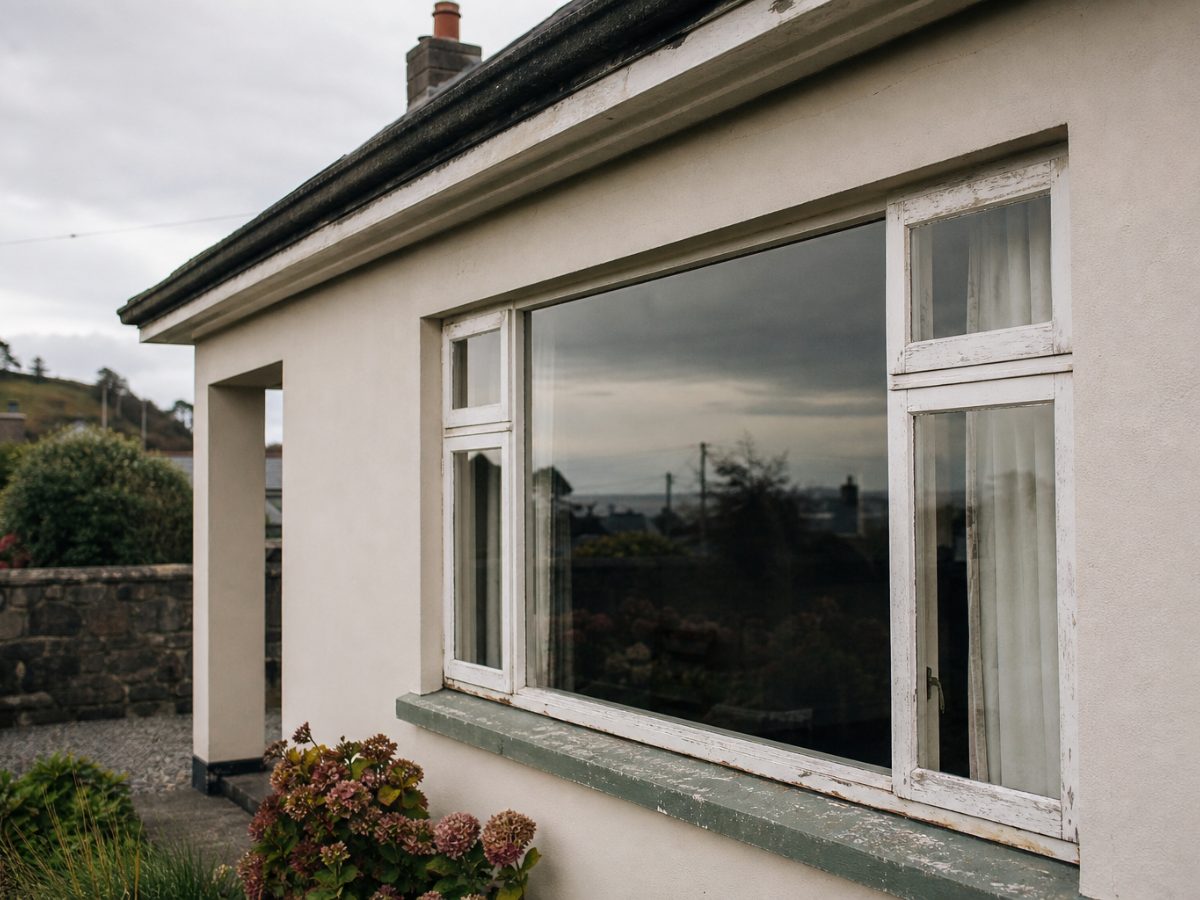
A reader from Arklow got in touch recently with a question that I suspect a lot of people around here have asked themselves at some point. She lives in a 1960s bungalow not far from the seafront, and her timber windows are starting to look rough. The paint is peeling, there's some soft wood here and there, and she's wondering whether it's time to stop throwing money at them and just get uPVC instead. Here's my honest take.
First, actually check the timber
Before you decide anything, go around every window with a screwdriver and press the wood firmly, especially at the corners, the bottom rails and the sill ends. Those are the spots where water sits and rot starts. If the screwdriver sinks in easily or the wood feels spongy, that section is gone and needs cutting out or replacing. If it bounces back and feels firm, the timber is structurally sound even if it looks dreadful on the surface.
Peeling paint on its own is not a death sentence for a timber window. It usually means the previous paint job wasn't prepared well, or moisture got in somewhere and lifted it from behind. That's repairable. Soft, crumbling wood in the core of the frame is a different conversation.
In a bungalow that's maybe sixty years old and sitting close to the sea, you're almost certainly dealing with a mix. Some windows will be fine underneath, some will have localised rot that can be cut out and filled with a two-part epoxy repair filler, and one or two might be genuinely beyond saving.
The honest cost comparison
Getting all the windows properly stripped back, any rot cut out, epoxy-filled, primed and repainted by a decent painter is not cheap, but it's usually less than full replacement. For a small bungalow with eight or ten windows, you might be looking at somewhere between two and four thousand euro depending on the work involved and who you use. That price varies a lot around Wicklow, so get three quotes and ask specifically what prep they're including, because preparation is where timber repaints either succeed or fail.
New uPVC windows, properly installed with decent hardware, will cost more upfront. It's not unusual for a full replacement job on a 1960s bungalow to come in at six thousand euro or more. They require almost no ongoing maintenance, which matters if you're not around much or you're running a holiday home. But they won't look the same, and in some locations that actually matters for planning reasons.
Planning and coastal location
This is the part people sometimes forget. If your bungalow is in an Architectural Conservation Area, or if it's a protected structure or immediately adjacent to one, you may need to check with Wicklow County Council before replacing original timber windows with uPVC. It's less common for 1960s bungalows than for older stone or Victorian terraced houses, but it's worth a quick call to the planning department before you commit. Getting it wrong after the fact is a headache nobody needs.
Even outside any conservation designation, some people find that uPVC windows can affect a sale or valuation on certain types of older coastal property, though that really depends on the specific house and buyer. It's not a reason to avoid them, just something to be aware of.
What I'd actually do
If the frames are mostly sound and you're planning to stay in the house for the foreseeable future, repair and repaint. Done properly with a good oil-based primer and two topcoats, a timber repaint close to the sea should last five to eight years before it needs attention again. Use a microporous exterior paint if you can, it lets moisture breathe out rather than trapping it.
If two or three windows are genuinely rotten through the core and you're replacing those anyway, that's worth comparing against the full replacement cost, because you might find the numbers get closer than expected.
Finding the right person to do the work matters as much as the decision itself. As anyone who's tried to find a reliable tradesperson in a coastal town knows, the best ones book up fast and it pays to ask around locally rather than going straight to the internet.