Finding a Reliable Plumber in a Coastal Town Is Harder Than People Think
in by Donncha Gallagher in Trades and Renovations
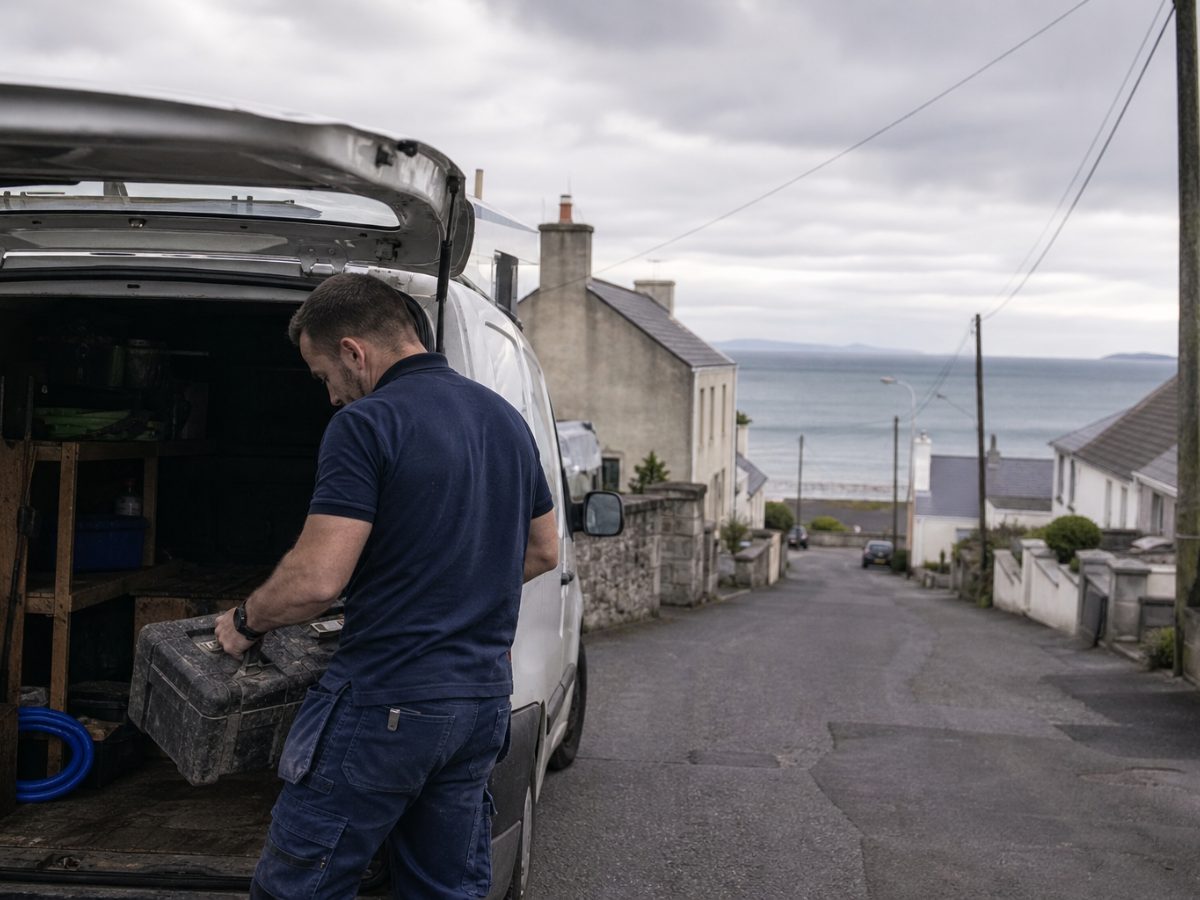
Ask anyone who has lived in Arklow or along the Wicklow coast for more than a couple of years and they will tell you the same thing. Getting a plumber out, a reliable one who answers the phone and actually turns up, is one of the more quietly frustrating parts of life here. It is not that the tradespeople are bad. Most of the ones working in this area are skilled and conscientious. The problem is simpler and more structural than that: there are not enough of them for the number of properties demanding their time.
What makes this worse in a coastal town is the second-home effect. From roughly Easter through to October, the volume of work that arrives into local trade calendars spikes sharply. Holiday home owners, many of them based in Dublin or further afield, are only in the area for short windows. When something breaks or needs attention, they need it fixed immediately, over a weekend if possible, and they are often willing to pay a premium to get that done. That is entirely understandable from their perspective.
But it has a knock-on effect that permanent residents feel acutely. If you are living here full time and your hot water goes in February, you might wait a week. If the same thing happens in July and there are three holiday lets on your road all putting calls in at once, you could be waiting considerably longer. The demand is simply not spread evenly across the year, and local trades cannot scale up and down to match it.
There is also a subtler issue around relationships. If you are new to the area and have not yet built up the informal network of recommendations that longer-term residents rely on, you are starting from scratch. You do not know whose cousin does good work, or which plumber is worth the wait. You are ringing cold, possibly competing with a dozen other unfamiliar names on a busy tradesperson's voicemail.
The honest advice, for whatever it is worth, is to get yourself on books before you have an emergency. Book a small job, a dripping tap or a check on your boiler, with someone decent and treat it as an introduction. Pay promptly and be easy to deal with. That relationship, boring as it sounds, is what will save you when something goes seriously wrong at an inconvenient time.
It also helps to think ahead seasonally. If you have a holiday home and you know it needs attention, doing a proper check in autumn before tradespeople get buried in winter emergency calls puts you in a much better position. The same logic applies to permanent residents. Do not wait for a crisis in the middle of summer to find out how difficult availability has become.
None of this fixes the underlying problem. That would take more apprentices, more tradespeople choosing to stay and work in smaller towns, and probably a wider conversation about how rural and coastal communities attract and retain skilled workers. But in the meantime, build the relationship early.