The Autumn Maintenance Checklist I Do on Our Holiday Home Every October
in by Oisin Healy in Home and Garden
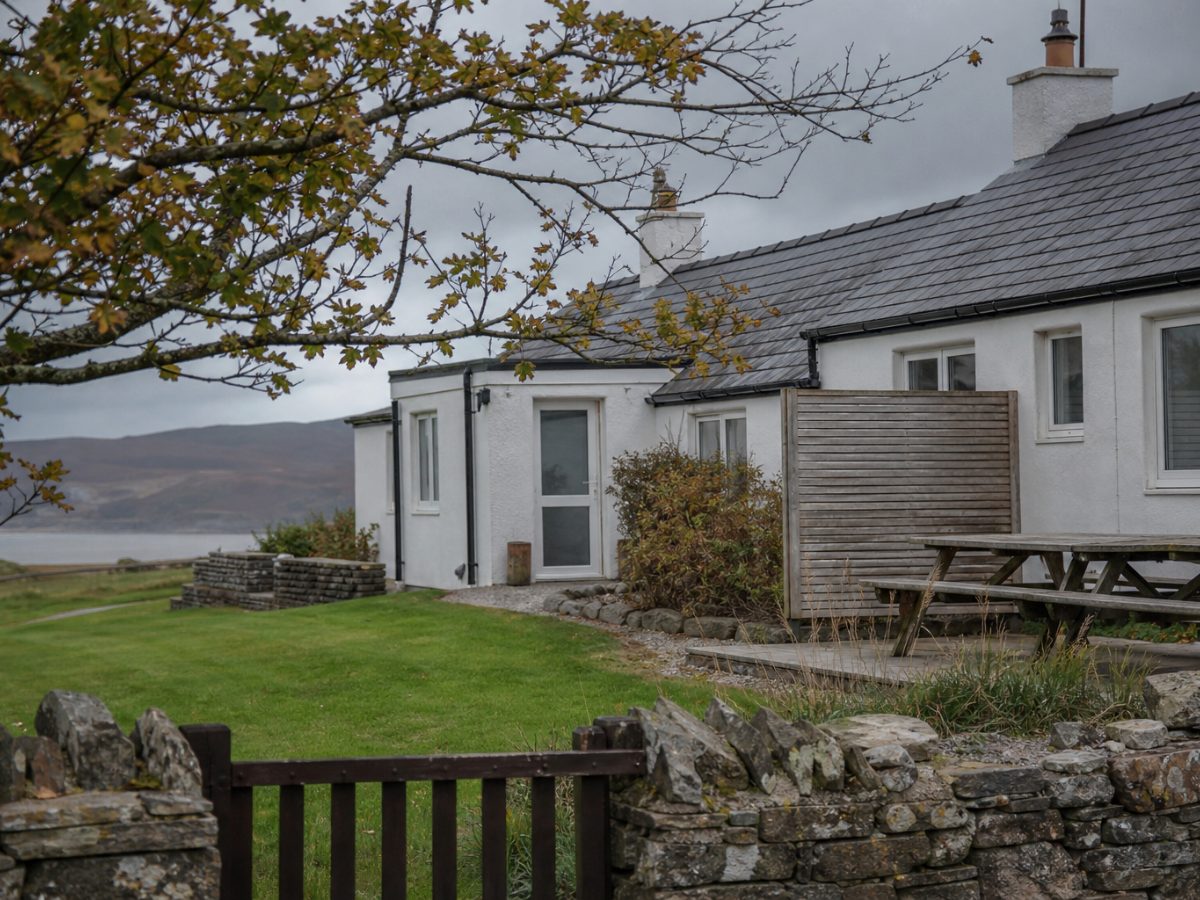
We bought the cottage outside Arklow about six years ago, and it took us a couple of winters to work out what happens to a house when you leave it empty facing the Irish Sea from October to March. The answer is: quite a lot. These days I do the same round of jobs every autumn, usually the first full weekend of October before the clocks go back and the light goes with them.
This is not a professional guide. It is just what works for us.
Outside first, while the weather holds
I start at the roof and work down. I am not a roofer, so this means standing in the garden with binoculars looking for lifted or missing slates. If anything looks wrong, I ring someone before I leave. Leaving a roof problem over winter on a coastal property is never a good idea.
Gutters come next. Salt air and autumn leaves make a miserable combination, and blocked gutters on an exposed house will push water into places you do not want it. I clear them by hand and flush them through with a hose. Takes about an hour.
The garden fence gets a proper look. We are on our fourth version in not many years, which tells you something about what salt wind does to timber. If you have the same problem, there is a useful piece on why garden fences don't last long near the coast that explains what is actually happening. I check every post, tighten anything loose, and apply a coat of preservative to the timber panels if they look dry.
I also bring in anything that can move. Plant pots, the small table, the cushions from the bench. Things left out here in January have a way of ending up in the next field.
Inside before you lock up
The damp is the main enemy. I check every window seal by running my finger along the frame after a rain shower. Any cold spot or soft paint around a frame gets marked with masking tape so I remember where to come back to.
I turn the water off at the stopcock and drain the pipes if there is any chance I will not be back before a hard frost. This matters more in older stone cottages, which can get genuinely cold in January and February. If you have a stone property and you are thinking about longer-term solutions to the cold, there is good practical advice in the post about insulating a stone cottage without losing its character.
I leave the heating on a frost setting, usually around seven or eight degrees, with a note of the boiler timer settings taped inside the cupboard door. I also leave a key with a neighbour and ask them to open a window once a week if the weather allows. That alone makes a real difference to the smell you come back to in spring.
The last thing I do before driving back up the N11 is walk through every room slowly, lights on, looking for anything I might have missed. It sounds obvious. It has saved me twice.