Kayaking from Arklow Harbour to Brittas Bay: What to Expect on That Stretch
in by Oisin Healy in Food and Outdoors
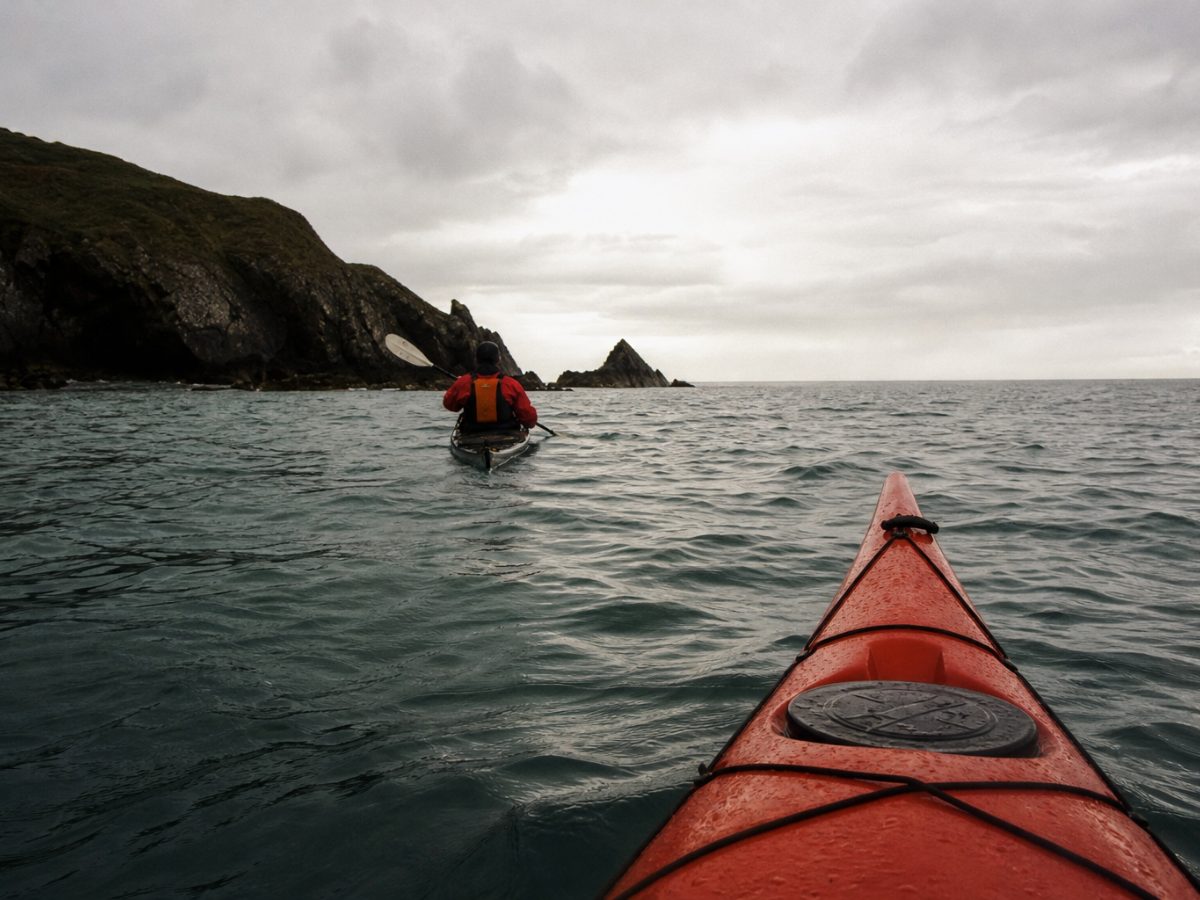
The paddle from Arklow Harbour north to Brittas Bay is one of those routes that looks simple on a map and turns out to be genuinely interesting on the water. It's about nine kilometres one way, mostly open coast, with a few decisions to make before you even put in. Done right, it's a brilliant half-day out. Done without a bit of planning, it can turn into a slog against wind and tide.
This is a practical run-through of the route as I know it, based on doing it a handful of times over the past few years. I'm not an instructor and this isn't a safety manual. But if you're a reasonably confident paddler looking for a real description of what this stretch is like, here's what I'd tell you over a cup of tea.
Starting from the harbour
Launch from the south bank of the Avoca River mouth, near the harbour. There's enough room to get in without getting in anyone's way, and you can read the conditions before committing. The river mouth itself is calm most of the time, but once you clear the harbour wall and turn north, you'll feel whatever swell and wind are running. If it's south or south-westerly, you'll have a decent push behind you going up. If it's north-easterly, seriously consider whether you want to be doing this at all, because you'll be fighting it the whole way back.
Before you go, do your homework on the forecast. Reading a Wicklow coastal weather forecast properly makes a real difference on an exposed paddle like this one. The numbers on a standard app don't always tell you what the sea state is actually going to feel like off this particular coast.
Tidal timing
The tidal flow along this stretch runs broadly north on the flood and south on the ebb. If you launch on a flood tide, you get carried up toward Brittas. Time it so you're heading out within the first couple of hours of the flood, and you'll have the tide with you on the way up and, after a couple of hours' stop, turning ebb to bring you back. That's the ideal.
In practice, aim to leave Arklow roughly two to three hours before high water. You won't feel the tide dramatically, but over nine kilometres it adds up. Paddling against a full ebb on the way back when your arms are tired is not enjoyable.
The shipping lane
This is the part people sometimes underestimate. The Arklow Bank Wind Farm service vessels use this coast regularly, and there's general commercial traffic too. You're not in a designated shipping lane as such, but you are on a busy bit of coast. Keep close to shore, within a few hundred metres. Vessels moving at speed don't always expect a kayak sitting low in the water, and you can't hear an engine until it's fairly close in any kind of wind or swell.
Stay aware. Look over your shoulder regularly. If a vessel is coming and you're unsure, paddle toward shore. It's not dramatic advice, it's just sense.
The coastline itself
Once you're clear of the harbour and moving north, the coast opens out into a long, low stretch of dune and sandy beach. There are a couple of small car parks and beach access points along the way, useful to know as bail-out options if conditions change. The water is generally cleaner the further north you go from the harbour mouth.
Around the halfway mark you'll pass some rocky outcrops close to shore. It's worth slowing down here if the swell is running at all, as refraction off the rocks can create confused water. Nothing dangerous for a competent paddler, but worth being awake for rather than on autopilot.
Landing at Brittas Bay
The south end of Brittas Bay is your destination. Land on the beach well clear of swimmers and anyone in the water. The beach shelves gently, so you can usually step out without drama. Pull the kayak well above the tide line before you go anywhere.
This is your picnic stop. The dunes behind the south beach are sheltered, the views back down toward Arklow are genuinely lovely, and on a good summer day it feels like you've earned it. Bring more food than you think you need. Cold coffee in a flask, sandwiches, something substantial. You'll be hungry.
If the wind has picked up while you were paddling, check conditions again before heading back. A light southerly on the way up can build to something more serious by early afternoon, especially in July and August.
The return leg
Head back the same way, keeping close to shore. The return paddle with an ebb tide and a south wind behind you can be very fast and quite satisfying. Keep an eye on the harbour entrance as you approach Arklow, particularly if any fishing vessels are coming in or out. Give them space and come in behind them.
Pack out everything you brought. The beaches along this stretch are well used and the dunes are fragile. Leave it the way you'd want to find it.