Living Fifty Metres from the Sea Does Things to Your House You Don't Expect
in by Oisin Healy in Coastal Living
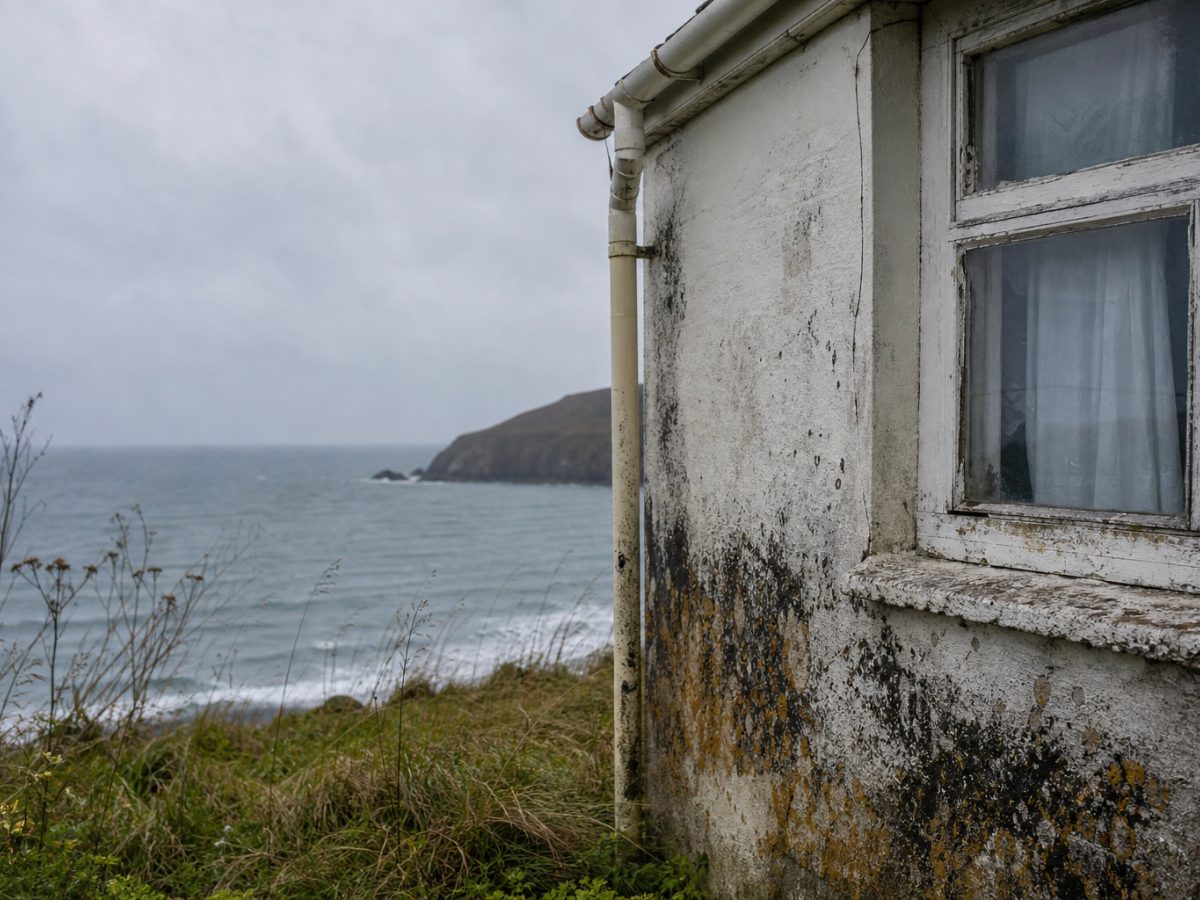
When we moved into this house, a friend who'd grown up near the water said something I didn't take seriously enough at the time. "The sea will get into everything," she said. I nodded and thought she meant the smell, maybe some extra dampness in winter. What she actually meant was that the sea would systematically work its way through every material, fixing, and finish on the building, quietly and without drama, until one day you'd walk around the outside and wonder how it all looked so tired so fast.
We're roughly fifty metres from the shoreline at high tide. Close enough that on a rough night you can hear the water from the bedroom. It's one of the things we love about where we are. It is also, I'll be honest, a full-time background maintenance project that nobody mentioned when we were signing the paperwork.
Salt doesn't just touch things. It settles into them.
The first thing most people notice is the windows. That white haze, almost like limescale but drier and more stubborn. Salt bloom. It builds up after every bit of onshore wind and if you leave it long enough it starts to do real damage to the seals and the frames. We clean ours far more often than we ever expected to, and even then there are days when the glass looks murky by mid-afternoon after a morning wash. If you have timber frames, the salt gets into any paint that's even slightly compromised and lifts it from underneath. We've had to repaint frames twice in four years. Anyone thinking about their window options near the coast might find the conversation in this post about painting versus replacing timber windows worth reading before they commit to anything.
Metal fixings are the quiet casualty
This one surprised me most. We replaced a gate not long after moving in, good solid steel with a decent finish. Within eighteen months the hinges and the screws fixing the post bracket had rust weeping out of them and staining the wall below. Not surface rust you can sand back. The kind that comes from the inside out.
Standard fixings simply aren't made for this close to salt air. The only thing that actually holds up is stainless steel, and even then you want marine grade if you're buying outdoor fixings. Everything else, mild steel, zinc plate, even a lot of the galvanised stuff, starts to go faster than you'd think. We've replaced screws in the deck, the gate, the drainpipe clips, and two sets of door handles. It becomes routine eventually, but it's annoying and it's not cheap if you buy in small quantities each time.
The render, the render, the render
If your house has a rendered finish, you will get to know it intimately. Hairline cracks that inland you might leave another season become water channels here, and once water is behind render at this salinity it accelerates the whole process. We fill every crack we can find in autumn. Every single one, even the ones that feel trivial. Getting that wrong has consequences, and if you're ever thinking about an extension or a re-render, the choice of finish matters a lot more this close to the shore. There's a useful breakdown of the options in this piece on rendered versus clad finishes for seaside extensions.
The garden boundary situation
Fences. Our first one here lasted three years before two of the posts had rotted at the base and the panels were flexing badly. We weren't entirely surprised but we hadn't expected it quite that quickly either. The combination of salt-laden wind, constant moisture, and the battering from actual gales is brutal on any timber boundary structure. It's a topic most coastal homeowners eventually end up thinking through, and there's a lot of practical experience collected in this post on why garden fences near the coast fail so quickly, including what alternatives are worth considering.
What you actually do about it
Mostly you adapt your rhythm. You stop thinking of maintenance as a once-a-year job and start treating it as something seasonal, or even monthly for the bits that matter most. You stock stainless fixings in useful sizes and keep a small tub of exterior filler within reach. You wash the windows more. You walk around the outside of the house after a rough spell and look at it properly, not just glance at it.
None of this is a reason not to live here. The same air that does all this to your metalwork also does something to the quality of a morning, standing in the garden with a cup of tea and the sound of the water fifty metres away. You just learn to factor it in.